Fyfikoy · Budget Adjustment Education
Spending less is a skill, not a sacrifice.
We teach people how to read their own budgets honestly and make changes that hold.
Most budget problems are not income problems. They are visibility problems — people do not see where the money actually goes until it is already gone.
Fyfikoy was built to close that gap through structured online learning that fits around real life, not the other way around.
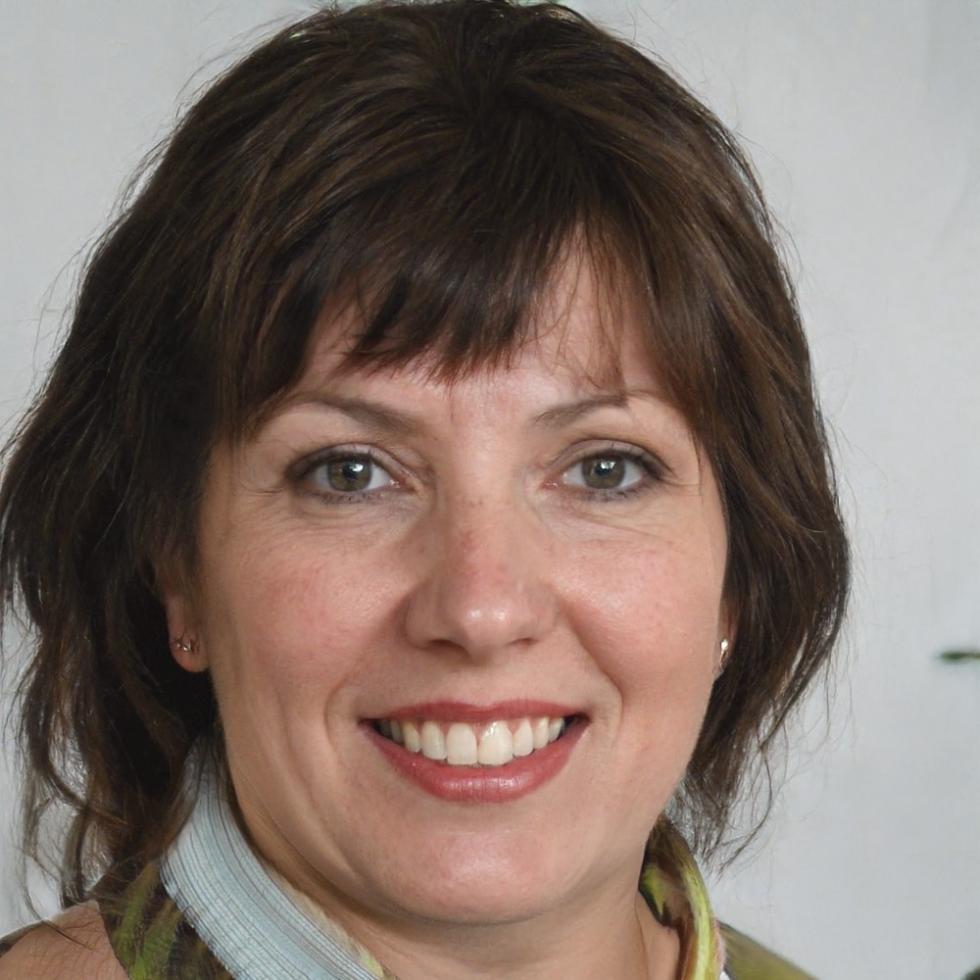
Sorcha Nyland · Curriculum Designer
Where the platform came from

Fyfikoy started in 2018 with one observation: most financial courses teach theory, not the moment-to-moment decisions that actually shape a household budget.
The platform was built around a different premise. Learners need to practise with their own numbers, not with textbook examples. Every session at Fyfikoy is structured so that participants leave with a concrete adjustment they can apply that week — not a concept to think about later.
Group sessions create accountability. Individual sessions create precision. Both are available here.

Ciarán spent eight years advising households on debt restructuring before moving into education. He designs the live session curriculum and leads group cohorts focused on fixed-cost reduction.
Sorcha structures every learning path on the platform. Her background in adult education means each module is sequenced so that new concepts build directly on what a learner practised the session before.
Tomáš manages the technical infrastructure that keeps live sessions reliable across different regions and connection speeds. He also coordinates scheduling for individual learners.

What makes the difference
Four principles shape every course, every session, and every learning path on the platform.
Visibility before change
Adjusting a budget without first mapping it accurately is guesswork. Every learning path begins with a structured audit phase where learners categorise actual spending from the past 60 days — not estimates, actual figures. That data becomes the working material for all subsequent sessions.

Adjustments that are specific
Generic advice — spend less on dining out, cut subscriptions — does not hold because it does not account for a person's actual constraints. Sessions at Fyfikoy work with specific line items: a particular recurring charge, a specific category that runs over each month, a fixed cost that can be renegotiated.

Group learning has a real function
Group sessions are not just a cheaper alternative to private instruction. They serve a different purpose: learners see how others frame identical problems differently, which surfaces assumptions they would not have noticed alone. Cohorts are kept small — eight to twelve participants — so this dynamic works in practice.

Paths that adapt as you progress
A learner who completes a module on variable cost reduction does not automatically move to the next module in a fixed sequence. The platform assesses what they applied between sessions and adjusts the next step accordingly. Some learners need to revisit a concept with a different framing. Others are ready to move faster.